Best Companion Plants For Mums
Best Companion Plants for Mums
Chrysanthemums, or mums, are a popular choice for fall gardens. They come in a wide variety of colors and sizes, and they can add a touch of beauty to any landscape. But did you know that companion planting can help your mums thrive?
Companion planting is the practice of planting certain types of plants together for their mutual benefit. Some plants attract beneficial insects, while others help to deter pests. Some plants improve the drainage or fertility of the soil, while others provide shade or windbreaks.
When choosing companion plants for mums, there are a few things to keep in mind. First, consider the size and growth habit of your mums. Mums can grow quite large, so you'll want to choose companion plants that won't be overshadowed. Second, think about the sun exposure requirements of your mums. Most mums prefer full sun, but there are some varieties that can tolerate partial shade.
With these factors in mind, here are a few of the best companion plants for mums:
- Asters: Asters are another popular fall bloomer, and they come in a wide variety of colors. They're also relatively low-maintenance, so they're a good choice for busy gardeners.

- Coneflowers: Coneflowers are another great choice for companion planting with mums. They're both tall and sturdy plants, so they won't be easily knocked over by the wind. Coneflowers also attract beneficial insects, which can help to control pests in your garden.
- Goldenrod: Goldenrod is a native North American plant that blooms in late summer and fall. It's a good choice for attracting pollinators, and it can also help to improve the drainage of your soil.
- Russian sage: Russian sage is a tall, upright plant with blue or purple flowers. It's a good choice for attracting butterflies and other beneficial insects. Russian sage also tolerates drought well, so it's a good choice for gardens in hot, dry climates.
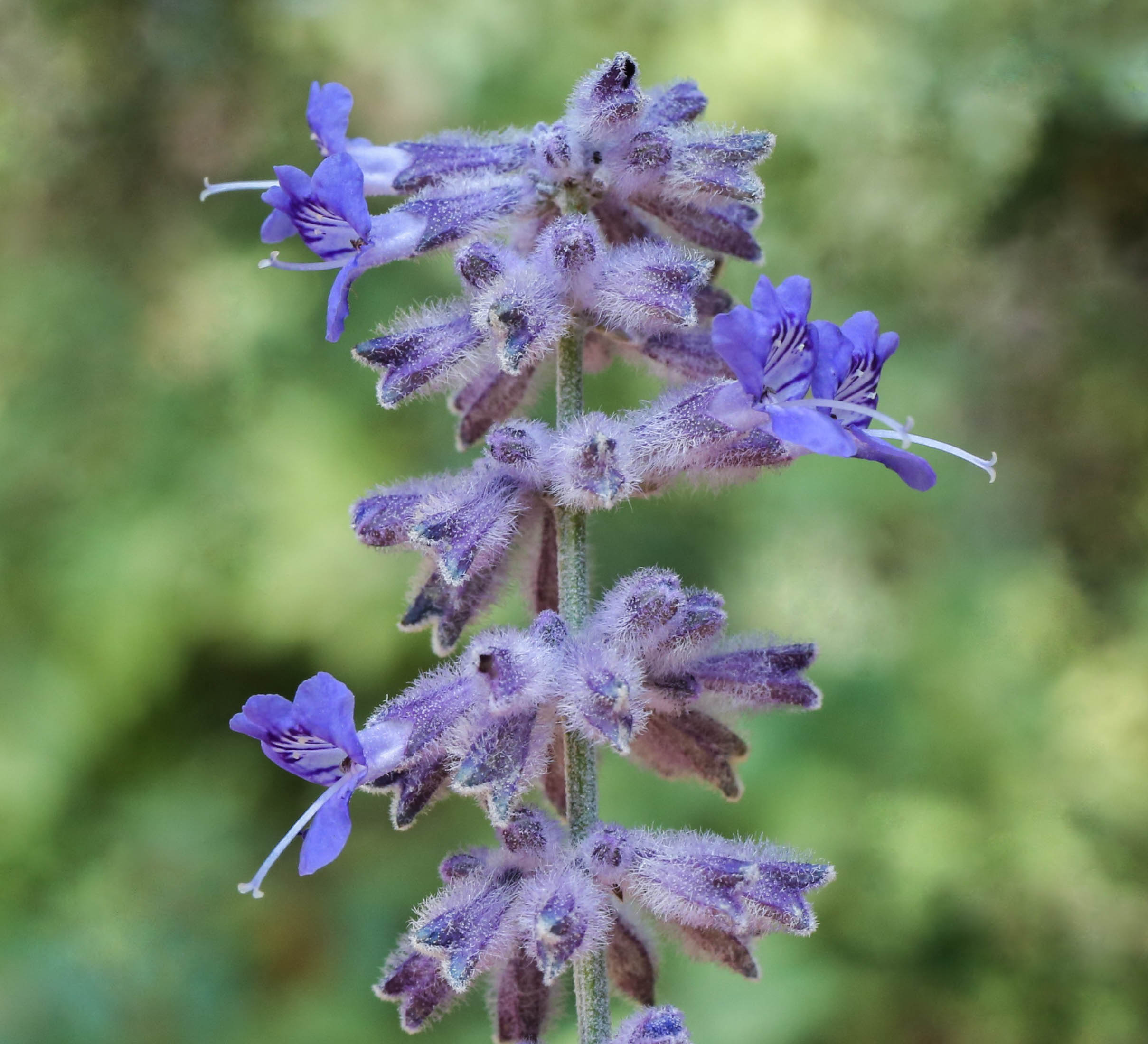
- Sedum: Sedums are a group of succulent plants that come in a variety of colors. They're low-maintenance and drought-tolerant, making them a good choice for companion planting with mums. Sedums also attract beneficial insects and help to prevent erosion.

In addition to these plants, there are many other potential companion plants for mums. When choosing companion plants, it's important to experiment and see what works best in your garden. With a little trial and error, you can create a beautiful and thriving fall garden.
Mums are a classic fall flower that can add a touch of color and beauty to any garden. But did you know that there are certain companion plants that can help to improve the health and appearance of your mums?
Some good companion plants for mums include:
- Asters: These late-blooming perennials come in a variety of colors and can help to extend the flowering season of your mums. Gardenia Inspiration
- Coneflowers: These hardy perennials are drought-tolerant and can help to attract beneficial insects to your garden.
- Goldenrod: This native wildflower is a great choice for attracting pollinators and can help to improve the air quality in your garden.
- Russian sage: This tall, airy perennial has blue-purple flowers that bloom in late summer and fall. It can help to add height and texture to your garden and can also help to deter pests.
- Sedum: These succulent plants are drought-tolerant and can add a touch of color and texture to your garden in the fall.
If you're looking for more information about companion planting with mums, I recommend visiting Gardenia Inspiration. This website has a wealth of information on the topic, including plant profiles, planting tips, and more.
FAQ of mum companion plants
- What are companion plants?
Companion plants are plants that are beneficial to each other when grown together. They can help to attract beneficial insects, repel pests, improve soil quality, and even increase the yield of each other's crops.
- What are some good companion plants for mums?
Some good companion plants for mums include:
* Alyssum: Alyssum attracts pollinators and helps to deter pests such as aphids and spider mites.
* Calendula: Calendula helps to repel pests such as whiteflies and beetles. It also helps to improve soil quality.
* Coneflower: Coneflower attracts pollinators and helps to deter deer and rabbits.
* Marigold: Marigolds help to deter pests such as nematodes, aphids, and whiteflies. They also help to improve soil quality.
* Nasturtium: Nasturtiums attract pollinators and help to deter aphids and snails. They also help to improve soil nitrogen levels.
- How far apart should companion plants be planted?
The spacing requirements for companion plants will vary depending on the specific plants involved. However, in general, companion plants should be spaced at least 12 inches apart. This will give them enough room to grow and thrive without competing with each other for resources.
- Can I plant mums with other types of flowers?
Yes, mums can be planted with other types of flowers. However, it is important to choose companion plants that have similar water and sunlight requirements. For example, mums prefer full sun and well-drained soil. So, you would want to choose companion plants that also have these requirements.
- How do I know if I have planted my companion plants correctly?
If your companion plants are thriving and free of pests, then you have probably planted them correctly. However, if you notice that your plants are not doing well, or if they are being affected by pests, then you may need to adjust the spacing between them or choose different companion plants.

Post a Comment for " Best Companion Plants For Mums"