Jewelweed: The Natural Remedy For Poison Ivy
Jewelweed: The Natural Remedy for Poison Ivy
Poison ivy is a common plant that can cause an itchy, blistering rash in people who come into contact with its oily sap. While there are over-the-counter medications that can help relieve the symptoms of a poison ivy rash, many people prefer to use natural remedies.
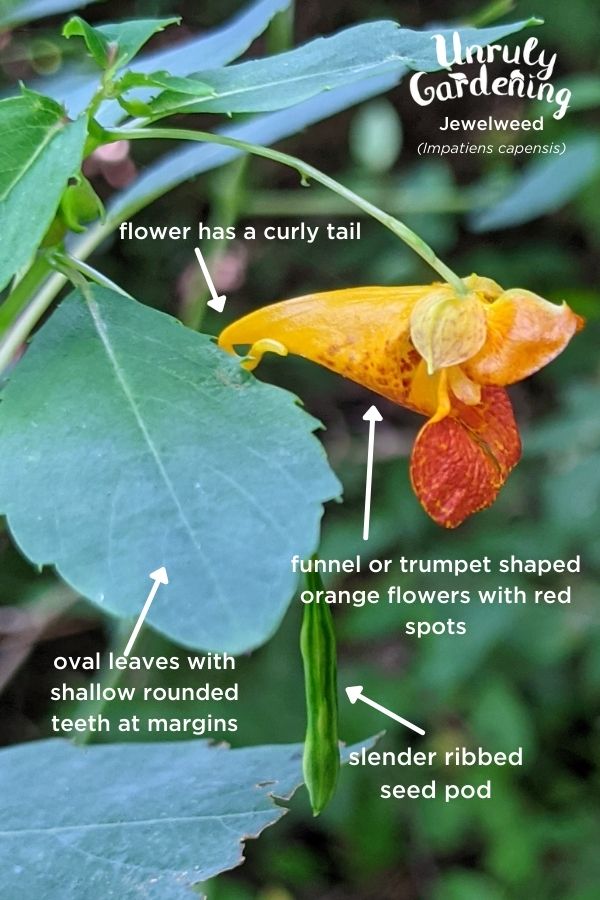
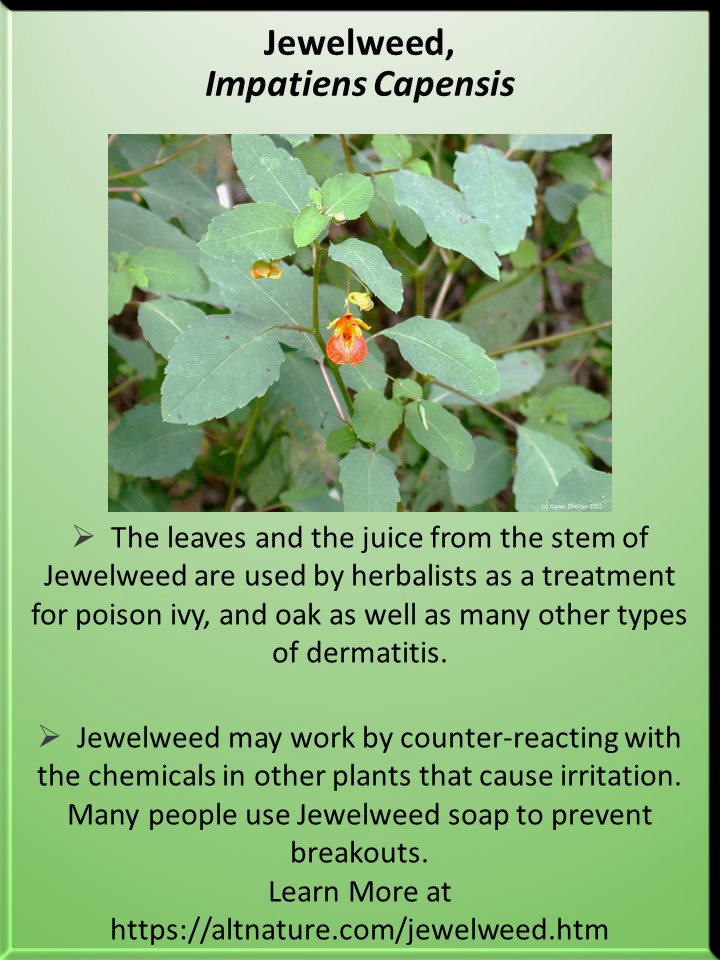
One natural remedy that is often recommended for poison ivy is jewelweed. Jewelweed (Impatiens capensis) is a wildflower that grows in moist, shady areas throughout North America. The plant has bright orange or yellow flowers and a long, thin stem. The sap of jewelweed contains compounds that are thought to help neutralize the urushiol oil in poison ivy.
There are a few different ways to use jewelweed to treat poison ivy. One way is to crush the leaves of the plant and apply the sap directly to the affected area. Another way is to make a tea from jewelweed leaves and drink it. You can also find jewelweed extract or ointment in some health food stores.
If you are considering using jewelweed to treat poison ivy, it is important to do your research first. Some people may experience an allergic reaction to jewelweed, so it is important to test it on a small area of skin before using it on a larger area. It is also important to note that jewelweed is not a cure for poison ivy, but it can help to relieve the symptoms of the rash.
Here is a more detailed look at the potential benefits of using jewelweed for poison ivy:
- Jewelweed contains compounds that can help neutralize the urushiol oil in poison ivy. Urushiol is the oil that causes the itchy, blistering rash associated with poison ivy. The compounds in jewelweed are thought to bind to the urushiol oil and prevent it from causing an allergic reaction.
- Jewelweed has anti-inflammatory and antimicrobial properties. The anti-inflammatory properties of jewelweed can help to reduce the redness, swelling, and itching associated with a poison ivy rash. The antimicrobial properties of jewelweed can help to prevent infection of the rash.
- Jewelweed is a safe and natural remedy. Jewelweed is generally considered to be safe for most people to use. However, it is important to do a patch test before using jewelweed on a large area of skin. Some people may experience an allergic reaction to jewelweed.
If you are considering using jewelweed to treat poison ivy, here are some tips:
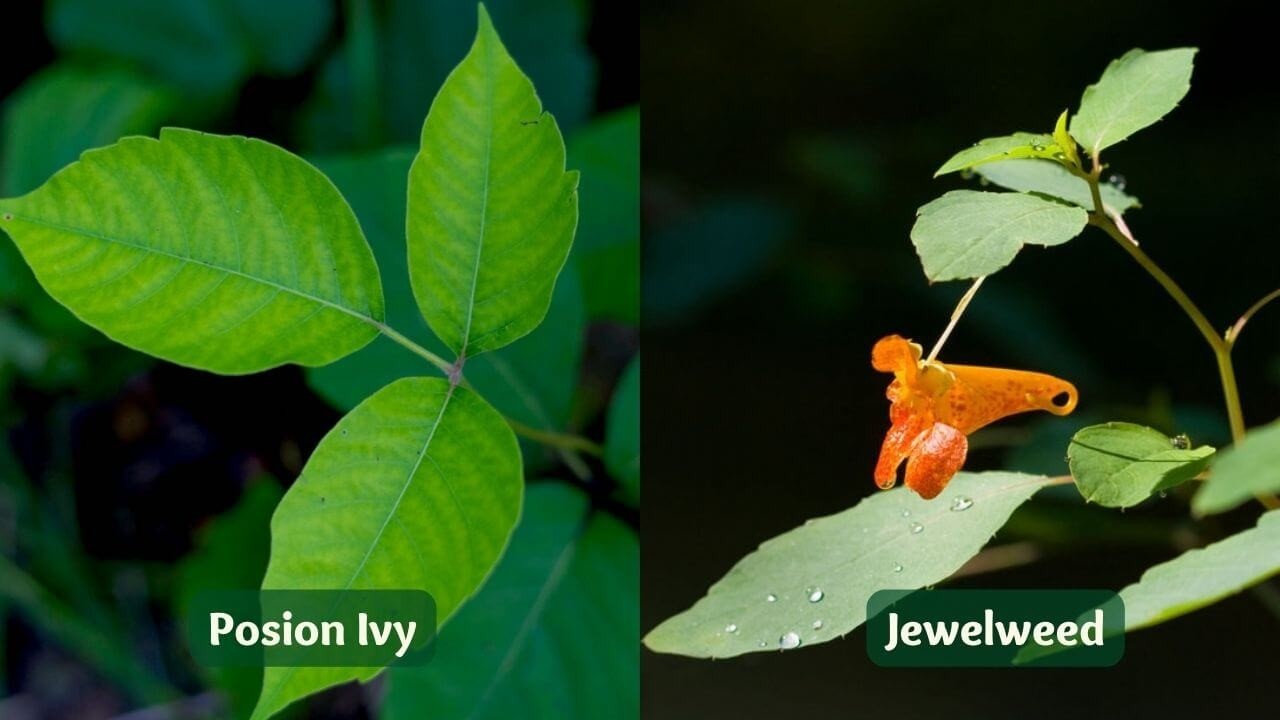
- Identify the plant. Make sure that you are using jewelweed and not another plant that looks similar. Jewelweed has bright orange or yellow flowers and a long, thin stem.
- Crush the leaves. To get the most out of the active ingredients in jewelweed, you need to crush the leaves. You can do this by rubbing the leaves between your fingers or using a mortar and pestle.
- Apply the sap directly to the affected area. Once you have crushed the leaves, apply the sap directly to the affected area. You can also make a tea from jewelweed leaves and drink it.
- Repeat as needed. You may need to apply the jewelweed sap several times a day to get relief from the symptoms of a poison ivy rash.
If you are concerned about using jewelweed to treat poison ivy, you should talk to your doctor. Your doctor can help you determine if jewelweed is right for you and can advise you on how to use it safely.
FAQ of jewelweed for poison ivy
Question 1: What is jewelweed?
Jewelweed, also known as touch-me-not or spotted jewelweed, is a plant that grows in moist areas throughout North America. It has bright orange or yellow flowers and distinctive, spotted leaves. The sap from jewelweed leaves has been used for centuries to treat the itching and inflammation caused by poison ivy, poison oak, and poison sumac.
Question 2: How does jewelweed work?
The sap from jewelweed leaves contains compounds that help to break down the urushiol oil that causes the rash from poison ivy, oak, and sumac. Urushiol is an oily substance that can remain on the skin for days or even weeks, so it is important to wash the affected area thoroughly with soap and water as soon as possible after exposure. Applying jewelweed sap to the rash within 12 hours of exposure can help to reduce the severity and duration of the rash.
Question 3: How do I use jewelweed for poison ivy?
There are a few different ways to use jewelweed for poison ivy. One way is to crush the leaves and apply the sap directly to the rash. You can also make a jewelweed salve or lotion by mixing the sap with a carrier oil, such as olive oil or coconut oil. If you do not have access to fresh jewelweed, you can also find jewelweed extract or capsules in health food stores.
Question 4: How long does it take for jewelweed to work?
Most people see some relief from the itching and inflammation within 30 minutes to an hour of applying jewelweed. However, it may take several days for the rash to completely disappear.
Question 5: Is jewelweed safe?
Jewelweed is generally considered safe for most people. However, it is important to note that it can cause allergic reactions in some people. If you have any concerns, it is always best to talk to your doctor before using jewelweed.
Image of jewelweed for poison ivy
5 different images of jewelweed for poison ivy from Pinterest:
- Image 1: A close-up of a jewelweed plant, with its bright orange flowers and green leaves.

- Image 2: A person holding a handful of jewelweed leaves, which they are using to make a poultice to apply to a poison ivy rash.
- Image 3: A glass jar filled with jewelweed leaves and flowers, which are being used to make a tincture to treat poison ivy.
- Image 4: A person applying a jewelweed salve to a poison ivy rash.
- Image 5: A person taking a jewelweed capsule to help prevent a poison ivy rash from developing.

Post a Comment for "Jewelweed: The Natural Remedy For Poison Ivy"